
Designing a custom exhibit is an art that blends creativity, strategy, and functionality. A well-designed custom exhibit can help your brand shine amidst the noise of a bustling trade show or exhibition. From attracting visitors to creating lasting impressions, a thoughtfully designed exhibit can boost your brand’s visibility and leave a memorable impact on your target audience. Here are some expert tips to help you design an effective custom exhibit that stands out and achieves your goals.
1. Understand Your Objectives
Before diving into the design process, clarify the purpose of your exhibit. Are you launching a new product, building brand awareness, or generating leads? Your exhibit design should align with these objectives. For instance, a product launch exhibit might require more space for demonstrations, while a lead-generation exhibit might focus on interactive elements that collect visitor information.
Pro Tip: Create a checklist of your goals and ensure each design element serves a purpose in achieving them.
2. Know Your Audience
Understanding your target audience is crucial. Consider their demographics, preferences, and interests. What would attract them to your booth? If your audience consists of tech enthusiasts, incorporating interactive displays or virtual reality experiences might be effective. On the other hand, if you’re targeting a more traditional crowd, elegant designs with clear messaging might work better.
Pro Tip: Use visitor personas to tailor your design to the specific needs and expectations of your audience.
3. Prioritize Visual Appeal
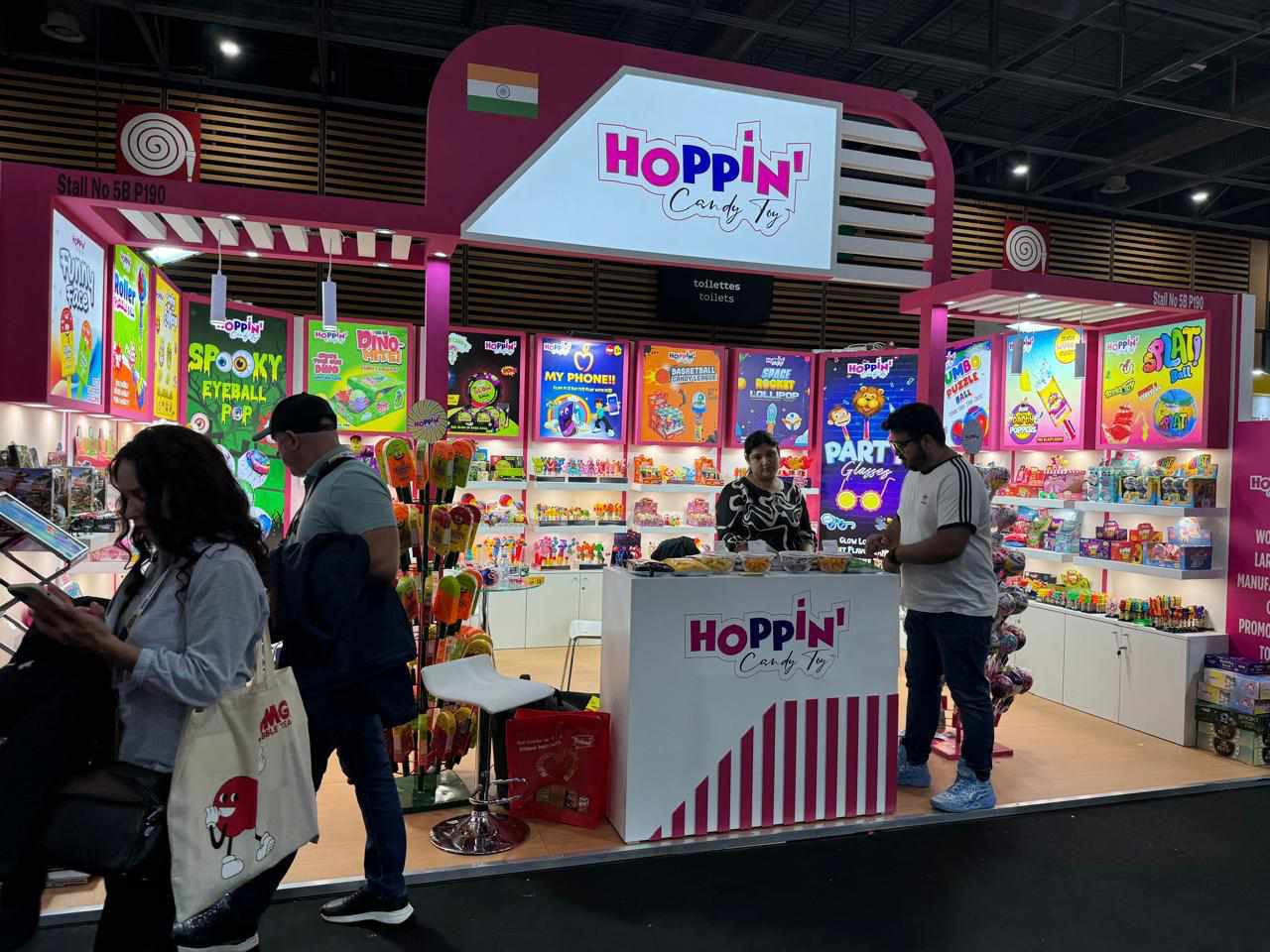
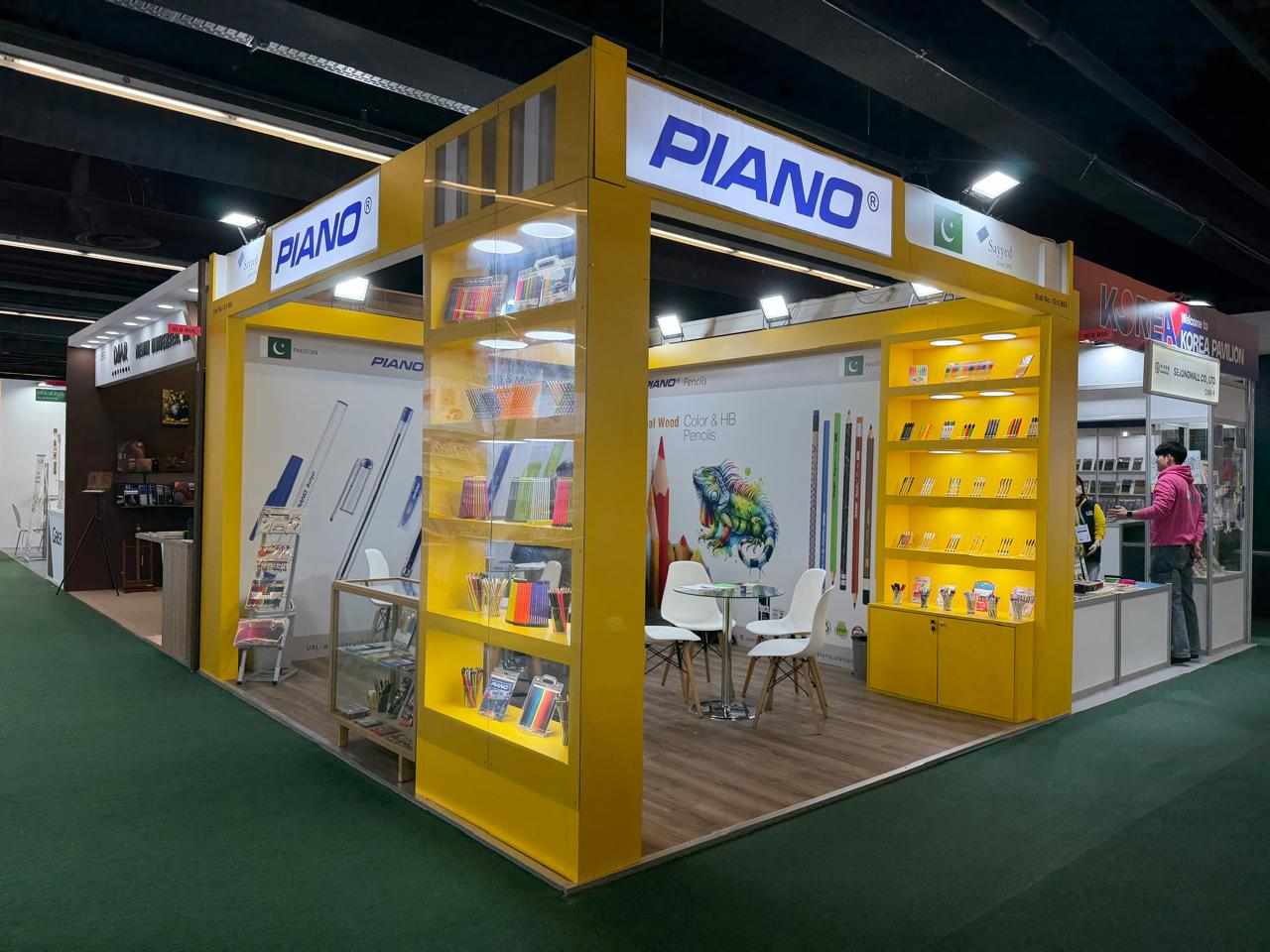
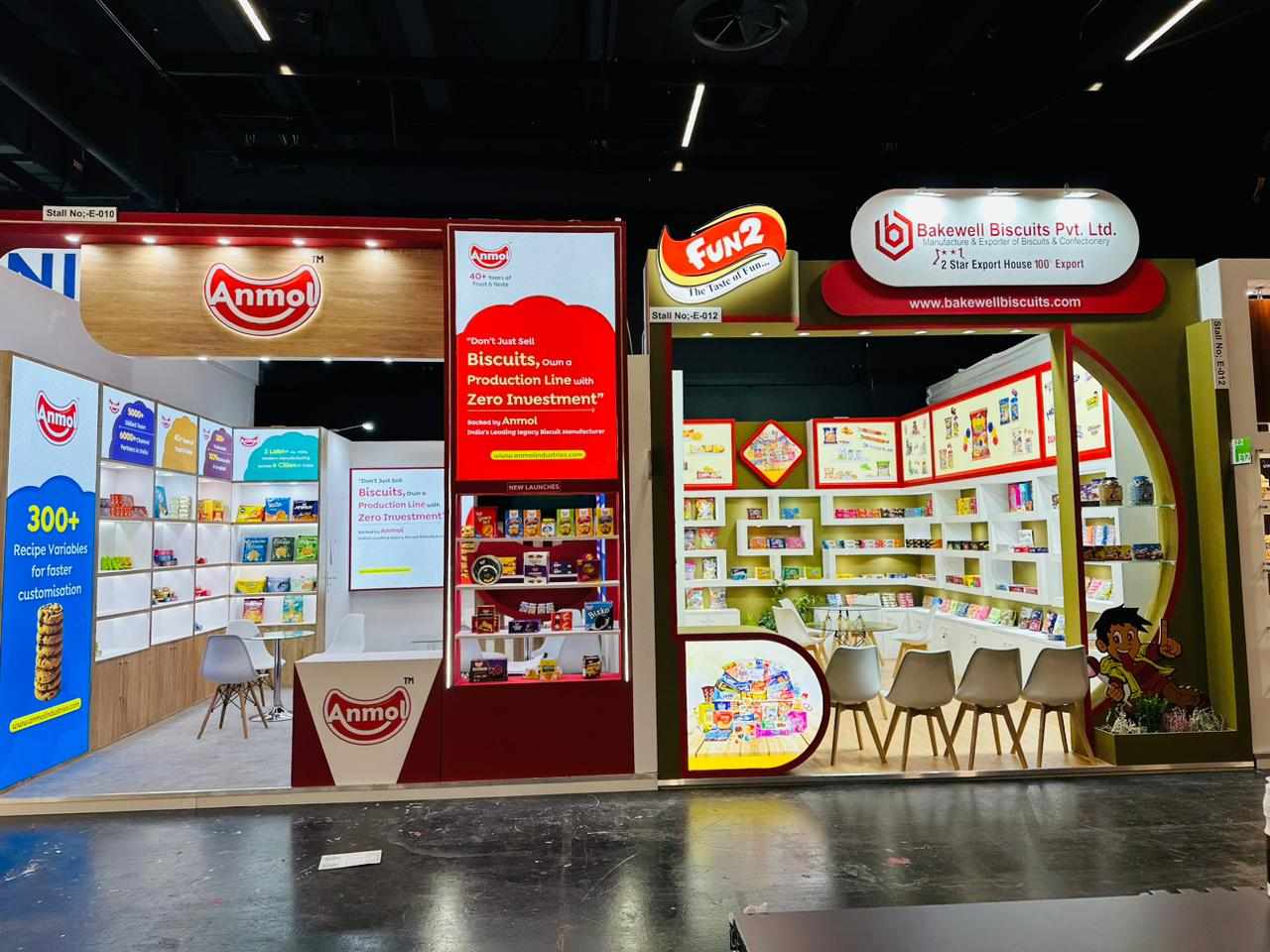
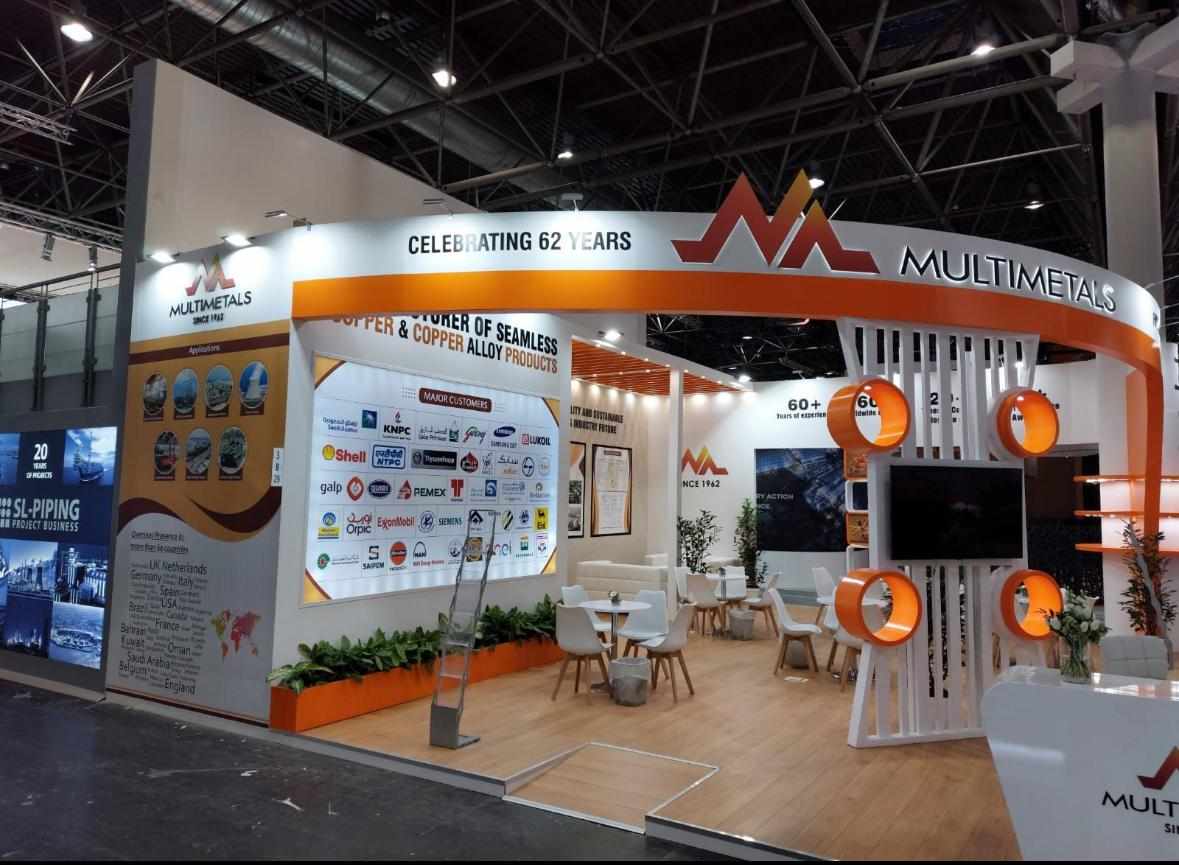
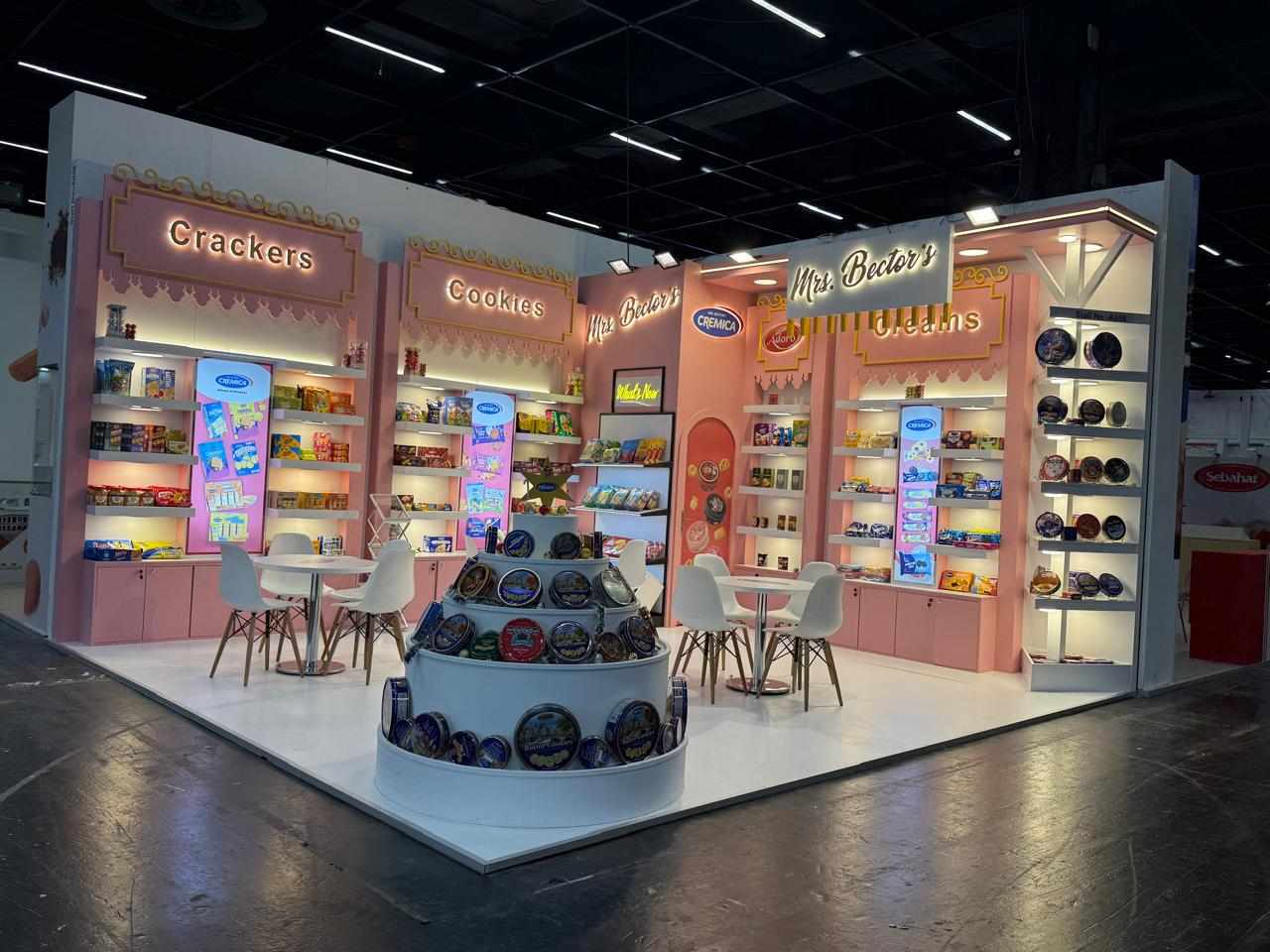
In the competitive environment of trade shows, your exhibit needs to catch the eye immediately. Whether you’re exploring options like exhibit booth rental Long Beach or custom designs, focus on creating a visually striking display that incorporates your brand’s color palette, logo, and other recognizable elements. Bold graphics, innovative lighting, and unique shapes can make your exhibit stand out.
Design Elements to Consider:
Lighting: Use dynamic lighting to highlight key areas of your exhibit. LED lights, spotlights, and backlit graphics are popular choices.
Textures: Experiment with different materials like wood, glass, or metal to create a tactile experience.
Colors: Stick to your brand’s colors but consider accent shades to make the design pop
4. Focus on Functionality
While aesthetics are important, functionality should never be overlooked. A well-organized exhibit ensures smooth visitor flow, maximizes space utilization, and provides a comfortable environment for engagement.
Key Functional Considerations:
Booth Layout: Opt for an open layout to encourage walk-ins. Avoid overcrowding your space with too many elements.
Storage: Ensure there’s hidden storage for brochures, giveaways, or staff belongings to maintain a clean look.
Accessibility: Make your trade show booth design accessible to all visitors, including those with disabilities.
5. Incorporate Technology
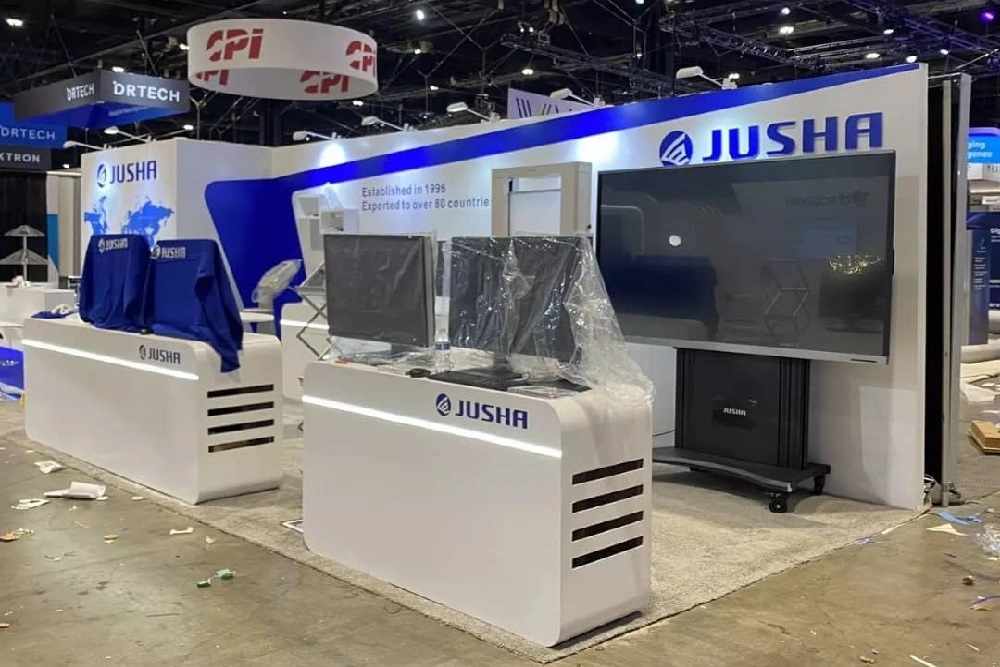
Technology can elevate your custom exhibit and create immersive experiences for visitors. Interactive screens, augmented reality (AR), virtual reality (VR), and touch-enabled kiosks can help you stand out. These elements not only attract attention but also provide opportunities for deeper engagement.
Examples of Technology Integration:
Product Demos: Use AR to show how your product works in real-world scenarios.
Interactive Games: Create games or quizzes that educate visitors about your brand while keeping them entertained.
Digital Displays: Replace static posters with digital screens for a dynamic, modern look.
6. Craft a Strong Brand Story
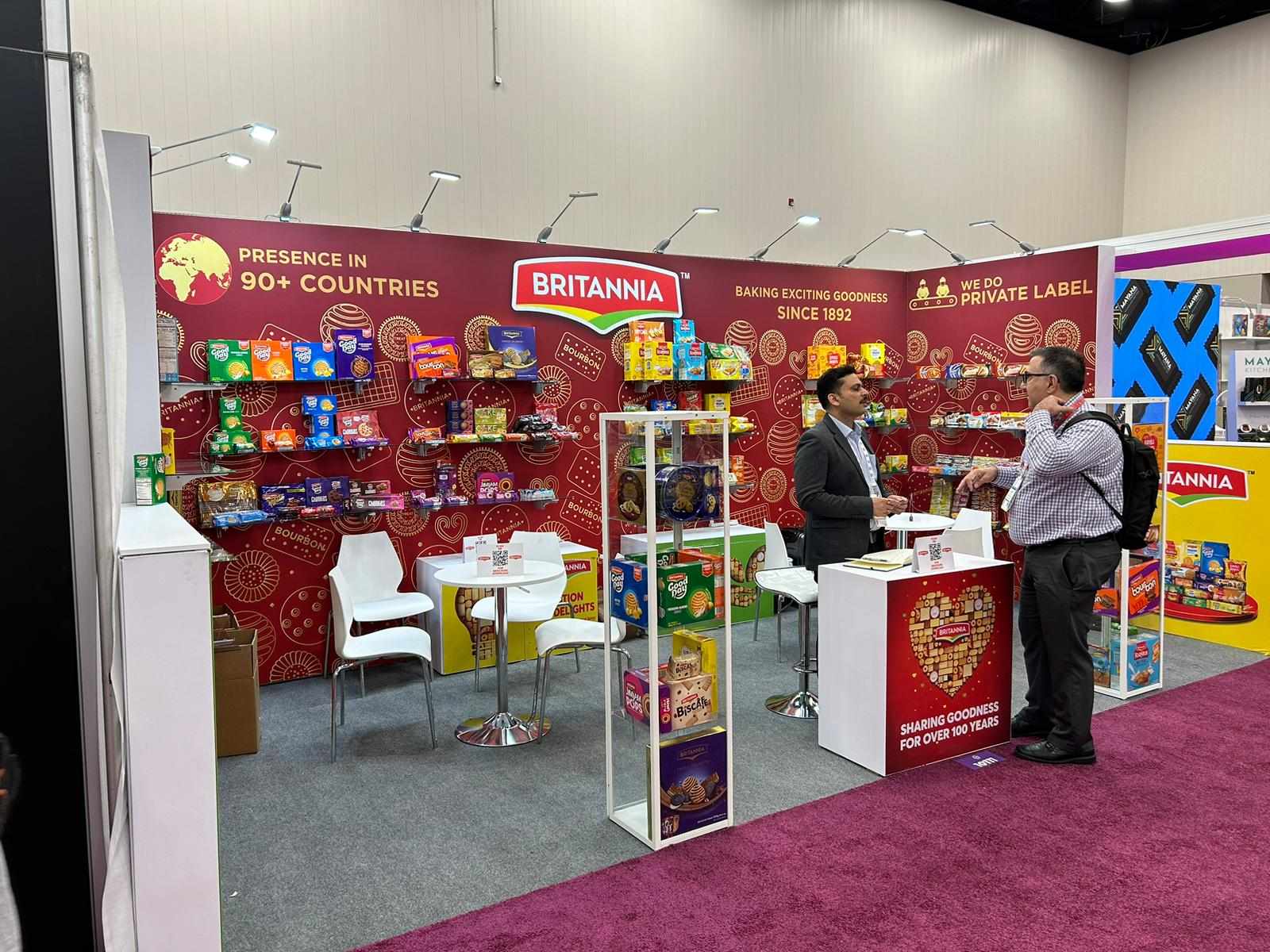
Your custom exhibit should tell a compelling story about your brand. Every design element, from graphics to layout, should contribute to this narrative. Highlight your brand’s values, mission, and unique selling points (USPs) to create an emotional connection with your audience.
Ways to Tell Your Story:
Use large-format visuals to showcase your brand’s journey or achievements.
Incorporate storytelling elements like timelines, infographics, or customer testimonials.
Ensure your staff is trained to convey the brand story effectively.
7. Engage Through Interactive Elements
Interactive elements are a surefire way to attract and retain visitors at your exhibit. They encourage participation, making the experience memorable and enjoyable.
Examples of Interactive Elements:
Photo Booths: Create a branded photo opportunity for visitors.
Live Demonstrations: Showcase your products or services in action.
Games and Contests: Host fun activities with exciting prizes to draw crowds.
8. Prioritize Comfortable Spaces
Exhibitions can be tiring for attendees. Offering a comfortable space where visitors can rest while engaging with your brand can leave a positive impression.
Comfort Features to Include:
Seating areas with branded furniture.
Charging stations for phones and gadgets.
Refreshment corners with water, coffee, or snacks.
9. Leverage Sustainable Practices
Sustainability is a growing concern in the exhibition industry. Designing an eco-friendly exhibit can enhance your brand’s reputation and appeal to environmentally conscious audiences.
Sustainable Design Tips:
Use reusable or recyclable materials.
Incorporate energy-efficient lighting.
Partner with local contractors to reduce the carbon footprint of transportation.
10. Invest in High-Quality Graphics
Graphics are one of the first things attendees notice about your exhibit. Invest in high-resolution, professionally designed visuals that align with your brand identity. Ensure your messaging is clear, concise, and strategically placed to catch attention.
Best Practices for Graphics:
Keep text minimal and impactful.
Use large fonts that are readable from a distance.
Highlight your logo and tagline prominently.
11. Train Your Booth Staff
Even the best-designed custom exhibit can fall short without a skilled and enthusiastic custom trade show exhibit design team. Your staff represents your brand and plays a critical role in engaging visitors.
Staff Training Tips:
Train them to deliver concise and compelling pitches.
Equip them with answers to common questions.
Encourage friendly, approachable behavior to make visitors feel welcome.
12. Measure Your Success
After the event, evaluate the effectiveness of your exhibit. Gather feedback from attendees and your team to identify areas for improvement. Analyze metrics such as lead generation, foot traffic, and visitor engagement.
Tools for Measurement:
QR codes for tracking visitor interactions.
Surveys to collect attendee feedback.
Analytics from digital displays or interactive tools.
13. Partner with Professional Exhibit Designers
Designing a custom exhibit requires expertise and experience. Collaborating with a professional exhibit design company can ensure your vision is executed flawlessly. They can offer insights, tools, and resources to create an impactful design.
Conclusion
Designing an effective custom exhibit is a strategic process that combines creativity, technology, and audience engagement. By focusing on your goals, understanding your audience, and incorporating innovative elements, you can create an exhibit that not only attracts attention but also leaves a lasting impression. With the right approach, your custom exhibit can become a powerful tool for building brand visibility and achieving your business objectives.
Start your design journey today and make your next exhibit the talk of the trade show!




Write a comment ...